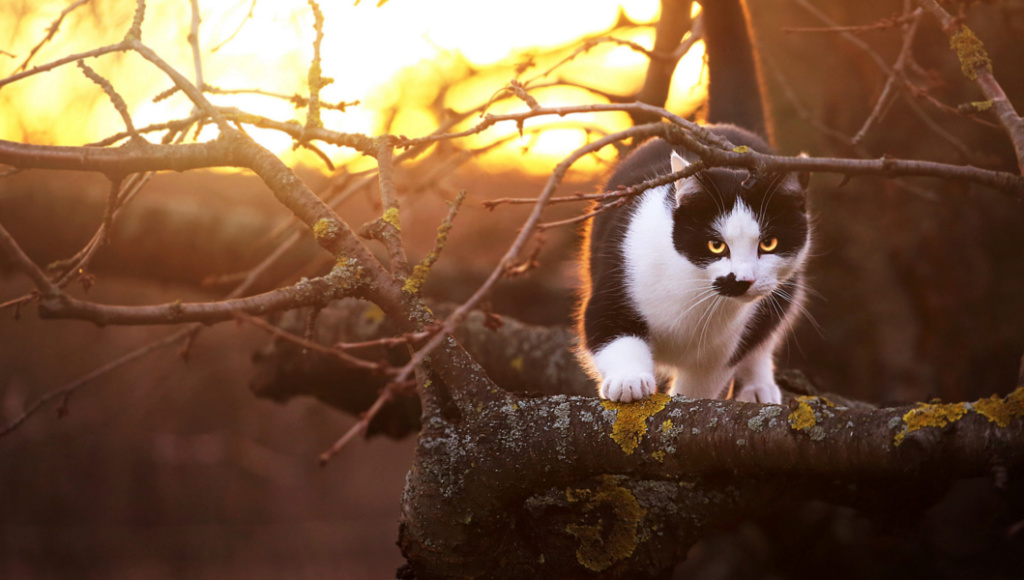
The Bengal Personality: Wild Instincts Meet Affectionate Companionship
For anyone captivated by their striking appearance, the Bengal cat is truly a sight to behold. Their exotic, wild-looking coat – with its distinctive rosettes and marbling – hints at their fascinating ancestry, a hybrid of a domestic cat and the wild Asian Leopard Cat. But beyond their stunning exterior lies a complex and captivating inner world. If you're considering welcoming one of these magnificent felines into your home, understanding the unique
Bengaal karakter (Bengal character) is absolutely paramount. As many current Bengal owners will attest, their personality is as extraordinary as their looks. This isn't just another domestic cat; it's an intelligent, energetic, and highly interactive companion that demands a specific kind of environment and owner. Those unfamiliar with the breed would be wise to dive deep into their traits, as their intense nature isn't for everyone.
The Allure of the Bengal: A Miniature Wildcat in Your Home
The initial appeal of the Bengal often stems from their breathtaking resemblance to their wild ancestors. Imagine a small, sleek panther patrolling your living room – that's the visual impact a Bengal often makes. However, this "miniature panther" comparison isn't solely about their appearance; it extends profoundly to their behaviour. Bengals are incredibly active, possessing a boundless energy that needs an outlet. They are not content to merely observe; they are participants in every aspect of your life. Whether you're working, reading, or simply relaxing, expect your Bengal to be right there, often "helping" in their unique way. This might involve playfully batting at your pen, investigating the contents of your glass, or gracefully leaping onto your shoulder to get a better view (or demand attention!).
Their intelligence is another defining trait. Bengals are quick learners and problem-solvers, which can be both a blessing and a challenge. This sharp intellect means they need constant mental stimulation to prevent boredom, which can, in turn, lead to destructive behaviours. They are incredibly curious, and nothing escapes their watchful eyes. This innate inquisitiveness is what drives them to explore every nook and cranny, to understand how things work, and to test boundaries. They’re explorers, adventurers, and sometimes, lovable rascals all rolled into one. For a deeper dive into their wilder side, explore
Unleash the Wild: Understanding the Bengal Cat's Panther-like Behavior.
More Than Just a Pretty Face: Understanding Their Energetic Nature
The energy levels of a Bengal cat are legendary. They are not simply active; they are intensely, enthusiastically, and often boisterously active. Many owners describe their "zoomies" or "ren-uurtjes" (running hours) – periods where they race through the house at full speed, scaling furniture and sometimes, unfortunately, knocking things over. It's crucial to understand that your beautiful antique vase, your expensive leather sofa, or your carefully arranged houseplants hold no intrinsic value to your Bengal. To them, they are simply part of their environment, obstacles to navigate, or fun objects to interact with. A sofa becomes a launchpad, a vase a potential bowling pin, and plants intriguing new textures to investigate. This isn't malice; it's simply their instinctual, playful nature.
This level of activity, combined with their intelligence, means they demand a significant amount of your time and attention. They are not the kind of cat that will quietly entertain themselves for hours on end. When a Bengal wants your attention, they will make it known, often quite vocally. They may jump onto your lap, tap you with a paw, or even engage in a lively "conversation." If you can find humour in these energetic antics and appreciate a cat that is truly integrated into your daily life, then the Bengal might be a wonderful match. However, if your initial thought is "Oh no!" at the prospect of such spirited interaction, it might be worth considering a calmer breed that aligns better with your lifestyle. It's a decision that impacts not just you, but ultimately, the well-being of the cat.
Are You Ready for a Bengal? The "Panther-Like" Lifestyle
Let's be clear: a Bengal is not for beginners. Their robust personality and high energy make them a demanding breed. Prospective owners must be prepared for a certain level of chaos and constant engagement. Thinking "we'll see how it goes" is a risky approach with a Bengal. If their unique needs are not met, they can become unhappy, potentially developing unwanted behaviours born out of boredom or frustration.
One of the most critical aspects of providing a suitable environment for a Bengal is acknowledging their inherent need for vertical space. In the wild, cats climb trees for safety, to survey their territory, and for play. Bengals retain this strong instinct. Denying them access to high places – whether it's the top of a cat tree, a cat shelf, or even the kitchen cabinets (be warned!) – will make them profoundly unhappy. A tall, sturdy scratching post or an entire "cat superhighway" system with shelves and perches is not a luxury; it's a necessity. Kittens often learn to use such structures from their breeders, but even adult Bengals quickly adapt to new climbing opportunities. Providing these outlets helps channel their natural instincts positively, reducing the likelihood of them scaling your curtains or damaging other furniture.
It's also essential to distinguish between training a Bengal and expecting obedience. While Bengals are highly intelligent and can learn tricks and even walk on a leash (especially if introduced young), they are cats, not dogs. They won't inherently follow commands like a canine companion. Their actions are often driven by instinct, curiosity, and a desire to engage on their own terms. This means you need a healthy sense of humour and a degree of patience. If the idea of a cat that loves to "talk" to you, playfully attacks your wiggling toes under the covers, or insists on being part of every activity sounds endearing, then you're on the right track. If you're looking for a quiet, independent lap cat, the
Bengaal karakter might be a bit too much spice for your taste.
Social Butterflies with a Playful Bite
Despite their wild ancestry and independent spirit, Bengals are incredibly affectionate and thrive on companionship. They form strong bonds with their human families and love to be involved. Many Bengals are true "bed cats," enjoying nothing more than curling up with their owners, often right in or on the bed. However, their playful nature is never far away; a stray toe peeking out from under the duvet can quickly become a prime target for a playful pounce! This blend of deep affection and sudden, energetic playfulness is a hallmark of the breed.
Bengals are also known for their vocal abilities. They enjoy "chatting" with their humans, expressing themselves with a wide range of meows, chirps, and even a unique "roo-roo" sound. They can also be quite adept at complaining if they feel their needs aren't being met, or if they simply want attention. This constant communication adds another layer to their engaging personality.
Their adventurous spirit extends to the outdoors, too. Many Bengals, if introduced to a harness and leash at a young age, enjoy going for walks. This provides excellent mental and physical stimulation, satisfying their innate desire to explore new environments safely. Just be mindful of their intelligence and tenacity when it comes to keeping things secure indoors. If you're trying to put something away, especially under their "watchful eye," remember that a closed door might not always be "Bengaalproof." They are notorious for figuring out latches and opening cabinets! For more on whether this demanding breed is your match, check out
Bengal Cat Character: Is This Demanding, Energetic Breed Your Match?.
Nurturing the Bengal Spirit: Tips for a Harmonious Home
Creating a happy and healthy environment for a Bengal means embracing and enriching their unique personality, not trying to suppress it.
- Provide Ample Physical Activity: Daily playtime is non-negotiable. Invest in interactive toys, feather wands, and laser pointers (used responsibly). Cat wheels can also be a fantastic way to burn off energy indoors.
- Stimulate Their Minds: Bengals are intelligent and get bored easily. Puzzle feeders, treat-dispensing toys, and regular training sessions (even simple commands like "sit" or "come") will keep their minds engaged.
- Vertical Space is Key: As mentioned, tall cat trees, wall-mounted shelves, and cat "condos" are essential. These allow them to climb, observe, and feel secure, satisfying their natural instincts.
- Enrichment is a Must: Rotate toys to keep things interesting. Consider an outdoor cat enclosure (catio) for safe outdoor exploration.
- Social Interaction: Bengals crave companionship. If you're away from home for long periods, consider getting a second Bengal or another energetic, cat-friendly pet to keep them company. They generally get along well with other animals, especially if introduced properly.
- Consistent Boundaries: While they are not dogs, clear and consistent boundaries are important. Redirect unwanted behaviour with positive reinforcement and appropriate alternatives. For example, if they scratch the sofa, gently move them to their scratching post and reward them when they use it.
- Water Play: Many Bengals are fascinated by water. A bubbling cat fountain or even a shallow pan of water with floating toys can provide hours of entertainment.
Understanding and catering to the distinct
Bengaal karakter is a journey, but a deeply rewarding one. These cats don't just live in your home; they become an integral, vibrant part of your family.
Conclusion
The Bengal cat is truly a magnificent breed, offering a unique blend of wild beauty, intense energy, and profound affection. Their high intelligence and boundless curiosity mean they require significant mental and physical stimulation, making them unsuitable for owners seeking a low-maintenance pet. However, for those prepared to embrace their "panther-like" antics, provide ample enrichment, and offer consistent companionship, the Bengal can be an incredibly loyal, interactive, and loving addition to the family. They are not just pets; they are dynamic companions who will fill your life with playful energy, endless chatter, and a captivating bond that is truly one of a kind. If you're ready for the commitment, the unique
Bengaal karakter promises a lifetime of adventure and love.